
By Jorge Castaneda
We are online almost every day if not every day! Yet, a lot of people don’t take online security very seriously. Online security is more important than ever. Cybercriminals are becoming increasingly sophisticated, targeting individuals and organizations with phishing scams, malware, and brute-force attacks. As a result, traditional single-layer security measures, such as passwords, are no longer sufficient to protect sensitive information. This is where Multi-Factor Authentication (MFA) comes into play.
MFA adds an extra layer of protection by requiring users to verify their identity through multiple means before gaining access to an account. Here, I’ll discuss why MFA is crucial for your online presence and why it should be a standard for securing your online life.
1. Protecting Your Financial Assets
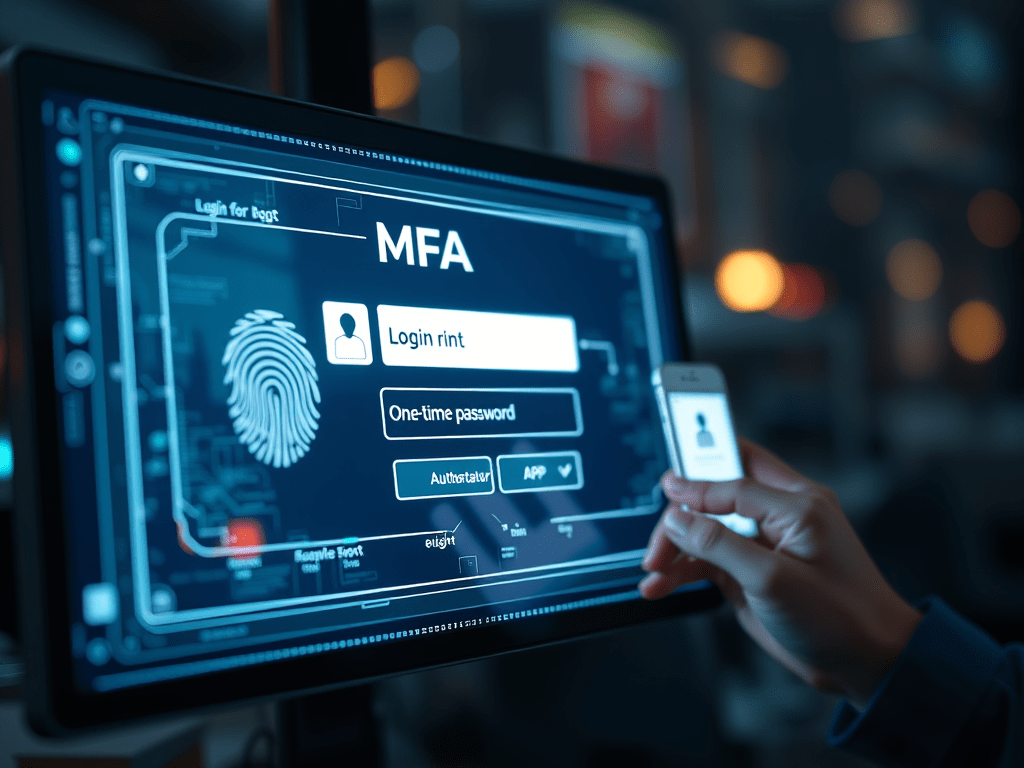
Online banking is a prime target for cybercriminals because of the potential financial gain. A single compromised password can give an attacker access to your bank accounts, enabling them to steal money, make unauthorized transactions, or even take over your account entirely. MFA significantly reduces this risk by adding additional verification steps, such as:
• A one-time password (OTP) sent to your phone or email.
• Biometric authentication, such as a fingerprint or facial recognition.
• Hardware tokens or authenticator apps.
Even if a hacker manages to steal your password, they would still need to bypass the second layer of security, which is often much harder to compromise.
2. Mitigating Human Error
People often use weak, reused, or easily guessed passwords, leaving their accounts vulnerable. Phishing attacks, where users are tricked into providing their credentials on fake websites, are also a common way that passwords are stolen. MFA provides a safety net. Even if a user inadvertently shares their password, the attacker cannot gain access without completing the second authentication step.
3. Adapting to Increasing Cyber Threats
The rise of advanced cyber threats, such as credential-stuffing attacks, underscores the need for robust security measures. According to recent studies, over 80% of hacking-related breaches involve stolen or weak passwords. MFA acts as a powerful deterrent by making it exponentially more difficult for attackers to succeed. This is especially critical for industries like banking, where the stakes are high.
4. Building Customer Trust
Online Companies and Financial institutions are entrusted with their customers’ most sensitive information. Implementing MFA demonstrates a commitment to security, reassuring customers that their data and assets are well-protected. This builds trust and confidence, which are essential in maintaining long-term customer relationships.
5. Securing Your Digital Life
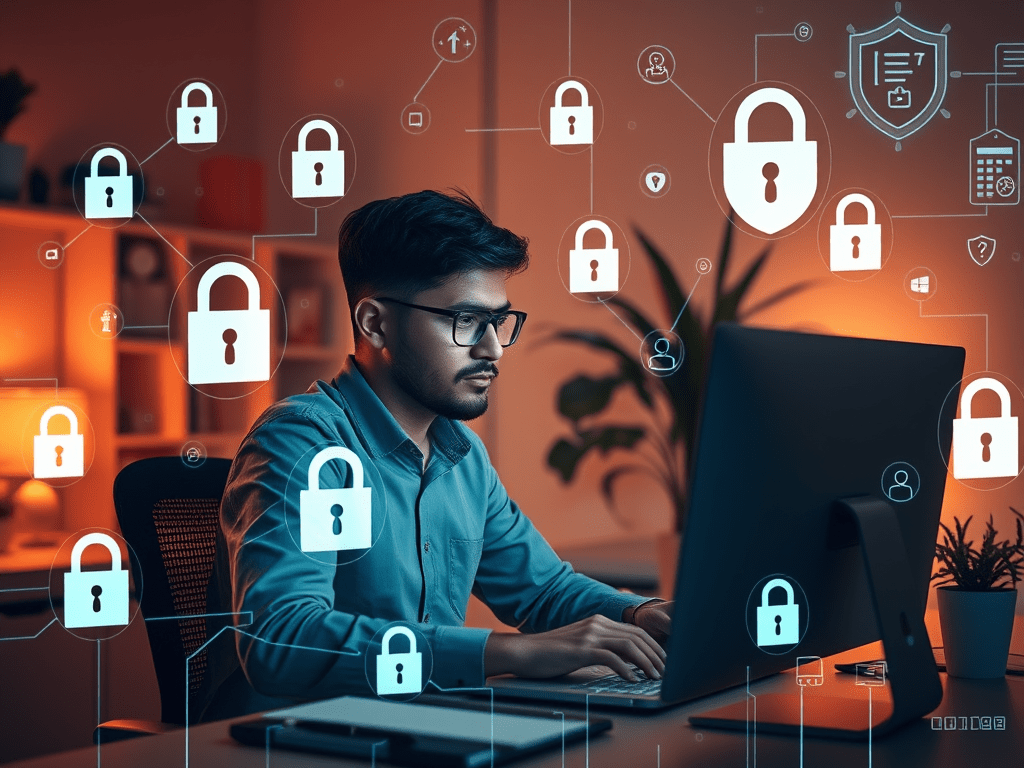
While MFA is essential for online banking, its benefits extend far beyond financial services. Any account that stores sensitive information—email, social media, healthcare portals, or work systems—can benefit from MFA. Here’s why:
• Preventing Identity Theft: Personal information stored on platforms like email or social media can be exploited for identity theft. MFA reduces the risk of unauthorized access.
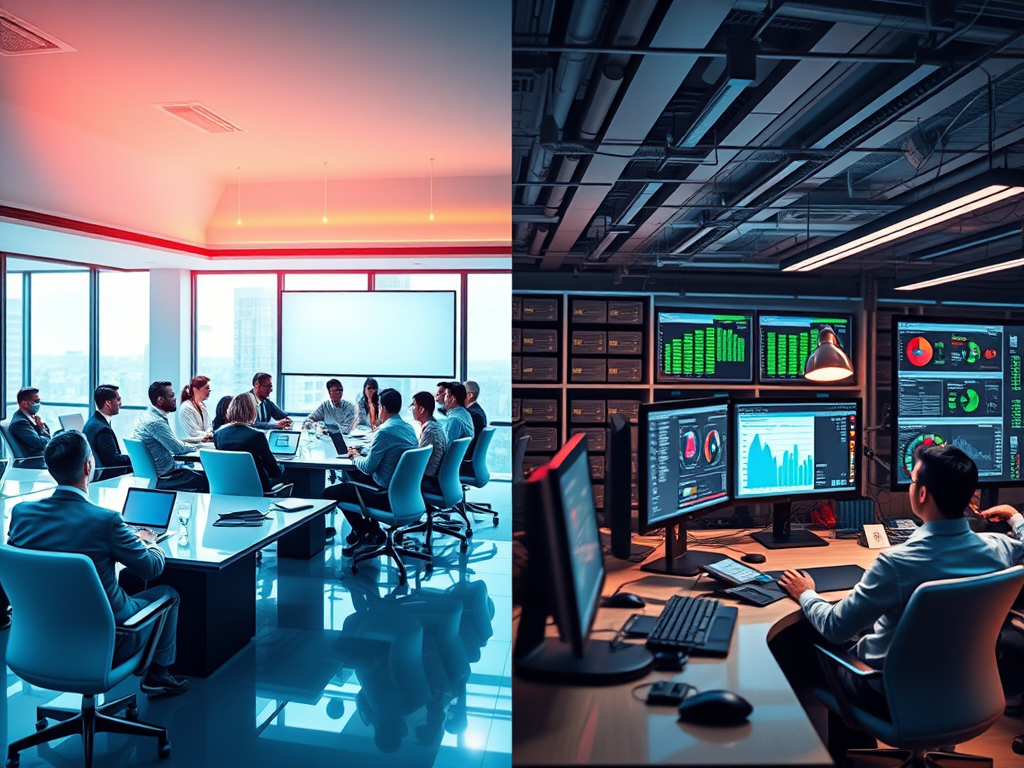
• Protecting Professional Accounts: For businesses, MFA secures work-related accounts and systems, preventing breaches that could result in data loss, reputational damage, or financial penalties.
• Safeguarding Personal Devices: Many devices now offer MFA options, such as requiring a PIN and biometric verification, to ensure that unauthorized individuals cannot access them.
6. MFA as a Standard
As cyber threats continue to evolve, MFA is quickly becoming a security standard rather than an optional feature. Governments, businesses, and organizations worldwide are mandating its use to ensure data protection. For example:
• Financial institutions are often required to implement MFA to comply with regulations like the Payment Card Industry Data Security Standard (PCI DSS).
• Healthcare organizations adopt MFA to meet HIPAA compliance standards.
• Tech companies encourage MFA adoption to enhance user security on their platforms.
7. Overcoming Common Concerns About MFA
Some people resist MFA because they perceive it as inconvenient or time-consuming. However, the trade-off is well worth it. Modern MFA methods are designed to be user-friendly and quick, and the added security provides peace of mind. Many authenticator apps, like Google Authenticator or Microsoft Authenticator, streamline the process, making it as simple as a few taps.
An Essential Small Step for Big Security
Multi-Factor Authentication is not just an added layer of security—it’s a necessity in today’s online environment. Whether for online banking, other digital services, or even social media, MFA helps protect against cyberattacks, mitigate human error, and secure sensitive information.
By enabling MFA on your accounts, you take an essential step toward safeguarding your financial and personal data. As technology continues to evolve, adopting strong security measures like MFA will be key to staying one step ahead of cybercriminals.
Take the time to enable MFA today—your future self will thank you.
NOTE: Adding MFA does not create a bulletproof protection for your online life, but it does add a layer of protection that can be helpful against someone trying to steal your online data.
I hope this article provided some helpful information.
Thank you for stopping by!

 CyberCasta
Leave a comment